About Ontario
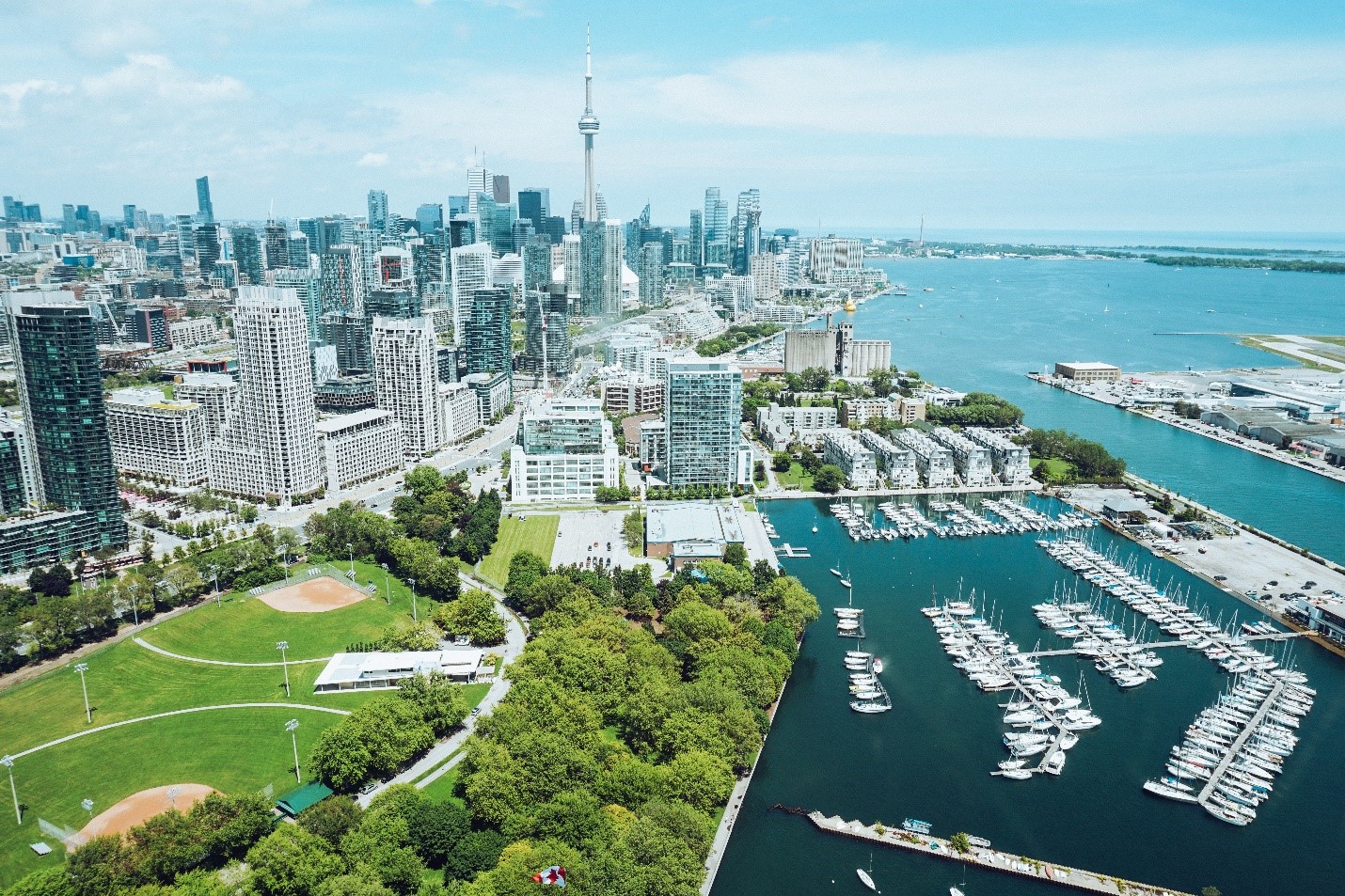
Ontario is a vibrant place to explore. Home to diverse people, landscapes and experiences, there are lots of reasons to study here.
Overview
Here are some key facts about Ontario:
- Ontario is Canada’s most populous province, home to nearly 40% of the country’s population.
- Around 40-43% of all immigrants to Canada settle in Ontario each year, making it the top destination for newcomers.
- Ontario is one of the most diverse regions in the world; about 30% of its population is foreign-born.
- Toronto, Ontario’s largest city, is widely recognized as one of the most multicultural cities globally, with residents from over 200 countries speaking more than 130 languages.
- Ontario has the largest concentration of talent in Canada and remains a leader in technology, finance, and knowledge-based industries, supporting a strong and dynamic job market.
- Ontario is home to the largest share of international students in Canada, although recent federal policy changes may affect enrolment trends.
Learn about Ontario’s history, economy and more.
View Transcript
Welcome to the world’s favourite classroom, where you can learn just how incredible life can be in a place with more to experience, more to discover, and one of the world’s great cities. This is Ontario, Canada. With 22 universities, 24 colleges, and nine Indigenous institutes, it’s one of the most diverse places in the world. But what does Ontario have to offer students like you? Over 700 different areas of study at many of the world’s leading institutions. More assistance and aid for international students, and more opportunities to work and live here after graduation. Be in Ontario, Canada. We’re saving a seat for you.
 Watch Welcome to the World's Favourite Classroom on YouTube (Opens In New Tab)
People and culture
Ontario has a vibrant, multicultural population. It is the largest province in Canada with more than 16 million residents (Ontario Population 2026). The province’s official language is English. Across Canada, French is also an official language, and there are many French-speaking communities within Ontario.
About 40% of Canadians live in Ontario and, of those, more than 85% are in urban centres. Many of these cities, including those in the Greater Toronto Area (GTA), are located close to the southern border of Canada near the Great Lakes.
People and cultures from all over the world live and thrive in Ontario. Over 200 languages are spoken across the province.
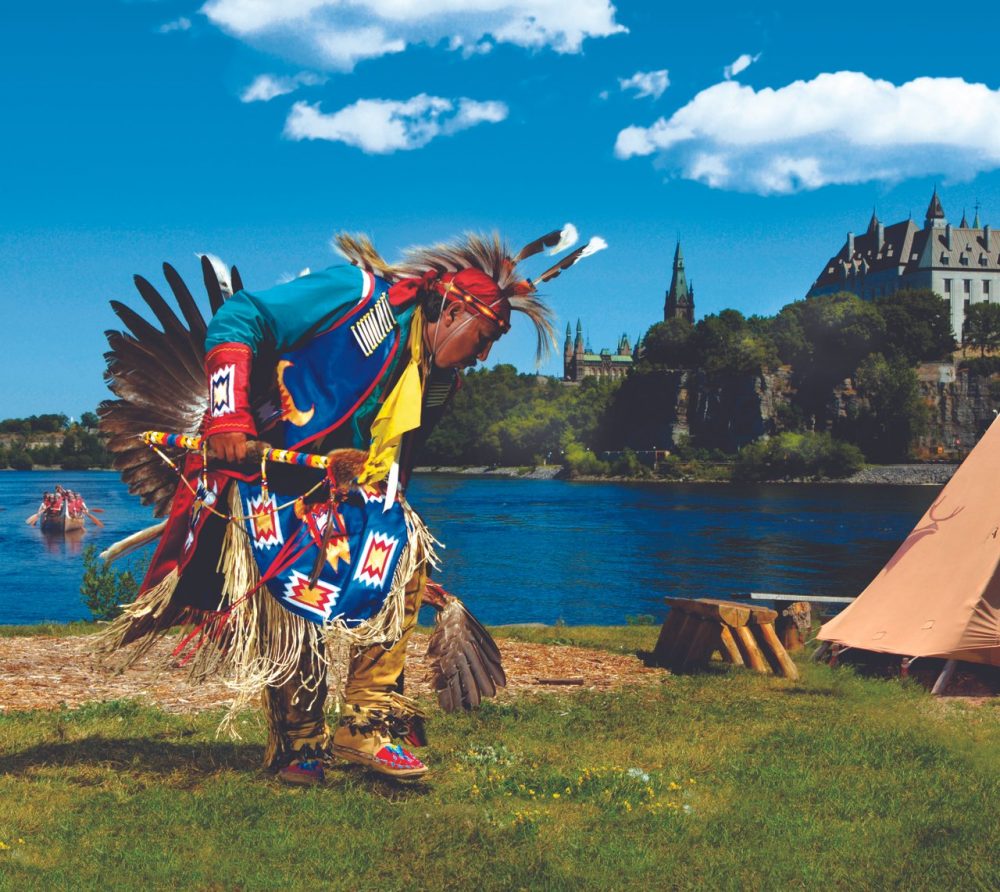
Ontario has a rich and diverse Indigenous history and First Nations’ culture. Ontario is home to 133 First Nations communities, representing one of the largest Indigenous populations in Canada.
Learn more about living in Ontario and Canada.
Geography and places
Ontario is the second-largest province in Canada. Covering more than 1 million square kilometres (415,000 square miles), Ontario is bigger than France and Spain combined.
The province is rich in natural beauty, recreational opportunities, and resources. Because of its large size, the province has many different landscapes, from rocky Canadian Shield to fertile farmland. Ontario is home to more than 250,000 lakes and a significant share of the world’s fresh surface water. Approximately two-thirds of the province is forested, supporting a wide range of ecosystems.
Despite the fact that much of Ontario is wilderness, the province has several large and growing urban centres that are home to some of the world’s biggest companies. They have plenty to offer visitors and residents, including attractions, arts, entertainment, nightlife, recreation, and more.
Discover the diverse people and places of Ontario.
Regions of Ontario
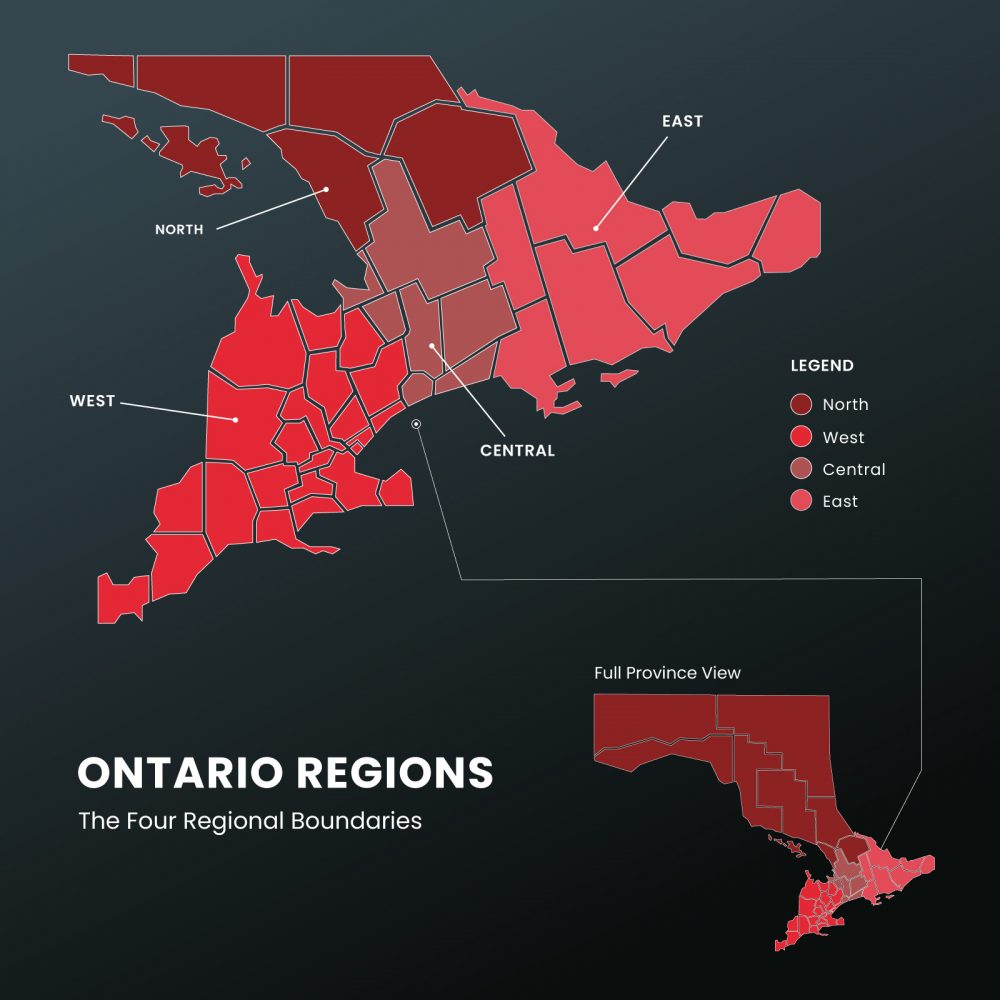
There are four regions in Ontario: North, East, Central and West.
-
North
Northern Ontario covers the largest area of the province and has the smallest population. Much of the region sits on a vast, rocky area called the Canadian Shield.The area is known for its natural resources and outdoor activities. As a result, the main industries are mining, forestry and tourism. Key cities include Greater Sudbury, Thunder Bay, Sault Ste. Marie, North Bay and Timmins.
-
East
Eastern Ontario is a region of contrasts, combining both English- and French-speaking communities and urban and rural ones.
The area includes the national capital of Ottawa, the lakes and forests of the Kawarthas and one of the world’s most important shipping routes, the St. Lawrence Seaway. Key cities are Ottawa, Kingston and Peterborough.
-
Central
Central Ontario includes cottage country — the Muskokas — to the north and the nation’s most populated urban centre — the GTA — to the south.
Most of Central Ontario is covered by farms, freshwater lakes and forests, making it a paradise for outdoor recreation lovers. By contrast, the GTA, which includes the City of Toronto and four regional municipalities, offers all the benefits of a world-class urban centre.
-
West
Western Ontario is located between the GTA and the United States border. It is surrounded by three of the largest freshwater lakes in the world.
The region combines sandy beaches, biodiverse forests, some of the richest farmland in the province and several large- to mid-sized communities. Key cities include Hamilton, Niagara, Kitchener-Waterloo, Guelph, London and Windsor.